
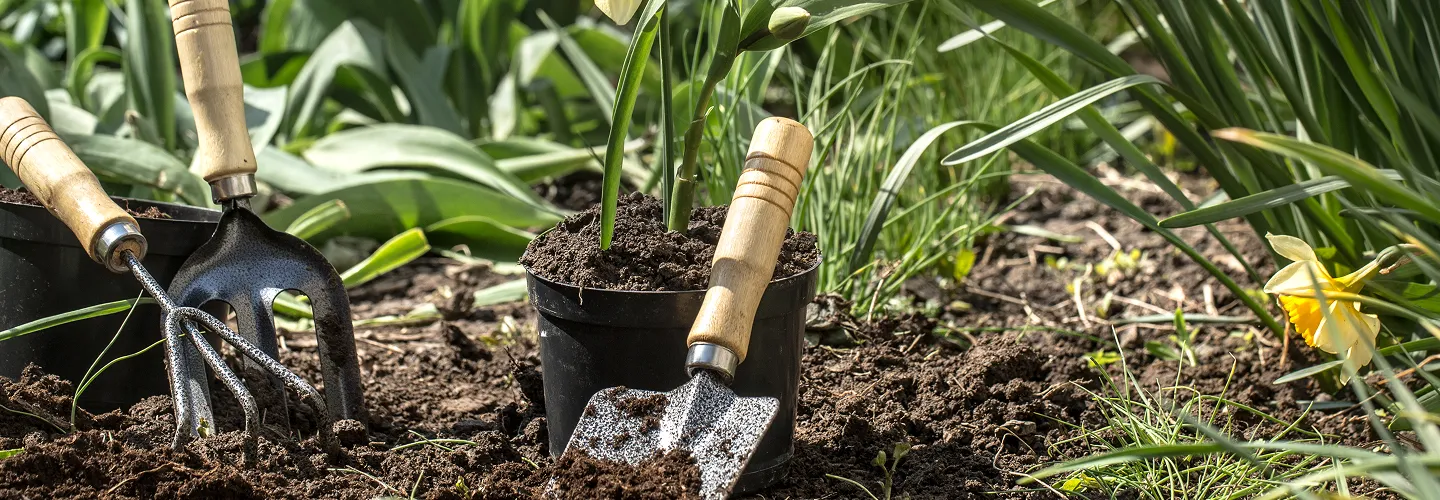
Lawrenceville Flower Planting Services
Choose our flower planting services for vibrant, healthy blooms that enhance your curb appeal and thrive all season long—our experienced team selects the perfect flowers for your space and ensures professional planting for lasting beauty.
Get a Free QuoteOur Lawrenceville Landscaping & Yard Care Services
When to Schedule Flower Planting in Lawrenceville, Georgia – Seasonal Guide
In Lawrenceville, Georgia, the best times for flower planting are typically early spring and early fall. These seasons offer moderate temperatures and consistent rainfall, which are ideal for establishing healthy root systems before the intense summer heat or winter chill sets in. Local neighborhoods like Brookwood and the area surrounding Rhodes Jordan Park often see homeowners preparing their gardens as soon as the last frost date passes, usually in late March. The region’s humid subtropical climate means that soil moisture and humidity levels can fluctuate, so timing your planting to avoid periods of drought or excessive rainfall is crucial for success.
When planning your flower beds, consider Lawrenceville’s unique environmental factors such as clay-heavy soils, varying shade coverage from mature trees, and the risk of late spring frosts. Areas near the Gwinnett Historic Courthouse, for example, may experience more shade and cooler microclimates, affecting which flowers will thrive and when they should be planted. For more detailed local guidelines, consult resources like the Sudbury town website for up-to-date planting recommendations and municipal regulations.
Local Factors to Consider for Flower Planting in Lawrenceville
- Proximity to large trees and resulting shade coverage
- Soil composition, especially clay content and drainage
- Average precipitation and risk of drought during summer months
- Frost dates and temperature fluctuations in early spring and late fall
- Terrain slope and potential for water runoff
- Municipal restrictions or neighborhood association guidelines
Benefits of Flower Planting in Lawrenceville
Expert Local Knowledge
Customized Landscape Designs
Seasonal Plant Selection
Enhanced Curb Appeal
Eco-Friendly Practices
Reliable Maintenance Services
Lawrenceville Flower Planting Types

Annual Flower Planting
-
Perennial Flower Beds
-
Native Wildflower Gardens
-
Seasonal Color Rotations
-
Pollinator-Friendly Plantings
-
Shade Garden Flowers
-
Drought-Tolerant Flower Beds
Our Flower Planting Process
Site Evaluation
Soil Preparation
Plant Selection
Careful Planting
Watering and Mulching
Why Choose Lawrenceville Landscape Services
Lawrenceville Homeowners Trust Us
-
Expert Lawn Maintenance
-
Reliable Scheduling
-
Competitive Pricing
-
Professional Team
-
Satisfaction Guarantee
-
Personalized Service
-
Locally Owned and Operated
Lawrenceville's Piedmont Red Clay Soils and Bed Preparation for Flower Planting
Lawrenceville sits within Georgia's Piedmont region, where the predominant soil series include Cecil, Appling, and Madison soils — all characterized by dense red clay subsoils, moderate to poor drainage, and naturally acidic pH levels typically ranging from 5.0 to 6.0. According to the USDA Web Soil Survey, these clay-heavy profiles compact readily under foot traffic and equipment, limiting root penetration and water infiltration for newly planted flowers. Before establishing planting beds, property owners should:
- Conduct a soil pH test through UGA Cooperative Extension and amend with lime if pH falls below 5.5
- Incorporate 3–4 inches of compost or aged organic matter to improve drainage and aeration
- Avoid tilling when soils are saturated, as this destroys soil structure
- Consider raised bed construction in areas with persistent standing water or hardpan clay within 12 inches of the surface
Proper bed preparation directly affects plant establishment success and long-term bloom performance throughout Lawrenceville's warm, humid growing season.
Optimal Flower Planting Windows for Lawrenceville's USDA Zone 7b Climate
Lawrenceville, Georgia falls within USDA Plant Hardiness Zone 7b, with average annual minimum temperatures between 5°F and 10°F. The city experiences long, hot summers with high humidity, moderate spring and fall seasons, and occasional late-season frost events typically ending by mid-March. These conditions define two primary planting windows for annual and perennial flowers:
- Spring planting: Mid-March through early May, once soil temperatures consistently reach 55°F or above and frost risk has passed
- Fall planting: Mid-September through October for cool-season annuals such as pansies, snapdragons, and ornamental kale
- Summer-tolerant selections: Zinnias, lantana, coneflower, and black-eyed Susan perform well through Lawrenceville's July–August heat when planted by late April
The National Weather Service Peachtree City forecast office provides local frost date data relevant to Gwinnett County. Planting outside these windows significantly increases transplant stress and reduces establishment rates in Lawrenceville's clay-dominant soils.
Protecting Lawrenceville Stormwater Infrastructure During Flower Bed Installation
Flower bed installation activities — including soil amendment, mulching, and irrigation setup — can generate sediment-laden runoff that enters Lawrenceville's storm drainage network if not properly managed. The city's stormwater system connects to local tributaries including Brushy Fork Creek and other Gwinnett County drainage corridors that flow toward the Yellow River watershed. Under the Clean Water Act and Georgia's NPDES stormwater program, discharging sediment or fertilizer-laden water into storm drains is prohibited. Practical precautions during flower planting include:
- Installing silt barriers or straw wattles at bed perimeters adjacent to paved surfaces or drainage inlets
- Avoiding soil disturbance immediately before forecasted rainfall events
- Applying pre-plant fertilizers at label-specified rates and keeping granular products off impervious surfaces
- Maintaining a minimum 10-foot buffer from any visible drainage swale or stormwater inlet during soil amendment work
The Lawrenceville Stormwater Management department oversees drainage infrastructure maintenance and water quality compliance within city limits.
Lawrenceville Stormwater Management
70 S. Clayton Street, Lawrenceville, GA 30046
Phone: (770) 963-2414
Official Website: Lawrenceville Stormwater Management
Selecting Heat- and Humidity-Tolerant Flowers for Lawrenceville Landscapes
Lawrenceville's summer climate — with average July high temperatures near 90°F and relative humidity frequently exceeding 70% — demands careful plant selection to ensure seasonal performance and minimize disease pressure. Fungal issues such as powdery mildew, botrytis, and root rot are common in poorly ventilated or overwatered beds. UGA Cooperative Extension recommends the following categories for Gwinnett County landscapes:
- Heat-tolerant annuals: Vinca (Catharanthus roseus), portulaca, celosia, marigold, and pentas perform reliably through August
- Native and adapted perennials: Purple coneflower (Echinacea purpurea), black-eyed Susan (Rudbeckia hirta), and native salvia support pollinators and tolerate clay soils
- Shade-tolerant options: Impatiens (downy mildew-resistant varieties), begonias, and caladiums for beds under mature tree canopy
- Invasive species avoidance: Confirm that selected species are not listed on Georgia's invasive plant list; consult UGA Extension – Invasive Species before introducing unfamiliar cultivars
Spacing plants to allow adequate airflow and avoiding overhead irrigation reduces fungal disease incidence significantly in Lawrenceville's humid summer conditions.
Lawrenceville Code Enforcement Standards Affecting Residential Flower Bed Maintenance
Property owners and managers in Lawrenceville should be aware that municipal code enforcement standards apply to the maintenance of planted areas, including flower beds, frontage plantings, and right-of-way adjacent landscaping. The Lawrenceville Code Enforcement division monitors properties for compliance with vegetation maintenance standards, which can include requirements related to overgrowth, dead plant material, and frontage appearance. Key compliance considerations include:
- Flower beds adjacent to public sidewalks or rights-of-way must not obstruct pedestrian visibility or encroach on city-maintained corridors
- Dead or diseased plant material should be removed promptly to avoid nuisance vegetation citations
- Mulch depth in beds should not exceed 3–4 inches to prevent moisture-related pest harborage
- Plantings near intersections must comply with sight-line clearance standards to maintain traffic safety
Property managers overseeing multi-unit or commercial properties should verify current frontage maintenance requirements directly with the Lawrenceville Community Development department, which coordinates zoning compliance and development standards.
Lawrenceville Code Enforcement
70 S. Clayton Street, Lawrenceville, GA 30046
Phone: (770) 963-2414
Official Website: Lawrenceville Code Enforcement
What Neighborhoods Do We Serve Throughout Lawrenceville, GA?
Flower planting services are provided across Lawrenceville's diverse residential and mixed-use neighborhoods, each presenting distinct soil, drainage, and site conditions:
- Downtown Lawrenceville Historic District: Older lots with compacted urban soils, mature tree canopy, and limited bed space; shade-tolerant selections and amended planting pockets are typically required.
- Alcovy Crossing: Newer subdivision with fill soils and variable drainage; raised bed construction and organic matter incorporation are often necessary for successful establishment.
- Sugarloaf area: Larger residential lots with mixed clay and transitional soils; beds near detention ponds require runoff-conscious planting and mulch management.
- Lawrenceville Proper / Cruse Road corridor: Established neighborhoods with moderate clay compaction and mature landscaping; perennial and native plantings perform well with proper soil amendment.
- Hamilton Mill vicinity: Active HOA communities with frontage maintenance standards; plant selection and bed design should align with community guidelines and seasonal color expectations.
- Brushy Fork Creek corridor neighborhoods: Properties near drainage corridors require buffer-aware planting and erosion-resistant ground cover selections to protect water quality.