
Lawrenceville Weeding Services
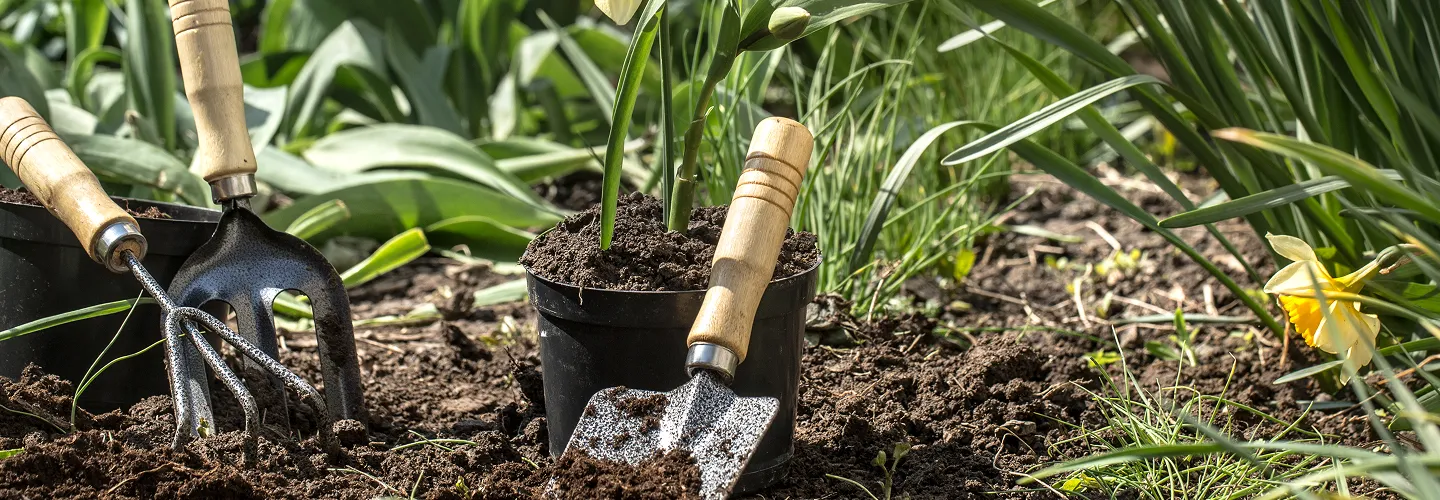
Choose our expert weeding services for a healthier, more vibrant landscape—our experienced team ensures your garden stays pristine, saving you time and effort while protecting your plants from invasive weeds.
Get a Free QuoteOur Lawrenceville Landscaping & Yard Care Services
When to Schedule Weeding in Lawrenceville, Georgia – Seasonal Guide
In Lawrenceville, Georgia, the best times to schedule weeding are closely tied to our region’s unique climate and landscape. Early spring, just after the last frost date, is ideal for tackling weeds before they become established. This timing is especially important in neighborhoods like Brookwood and near Rhodes Jordan Park, where dense shade and rich soils can encourage rapid weed growth. Late summer and early fall are also key periods, as humidity and occasional droughts can stress lawns and make them more susceptible to invasive species.
Local environmental factors such as our clay-heavy soils, variable rainfall, and the prevalence of mature tree canopies all play a role in determining the optimal weeding schedule. Homeowners should also be aware of municipal guidelines and seasonal restrictions, which can be found on the City of Lawrenceville’s official website. By considering these local nuances, you can ensure your landscape remains healthy and weed-free throughout the year.
Local Factors to Consider for Weeding in Lawrenceville
- Tree density and shade coverage in neighborhoods like Edgewater and Flowers Crossing
- Soil type, especially areas with heavy clay or poor drainage
- Seasonal precipitation patterns and drought risk
- Proximity to parks, creeks, or wooded areas
- Municipal restrictions or community association guidelines
Benefits of Weeding in Lawrenceville
Enhanced Curb Appeal
Healthier Plant Growth
Reduced Pest Infestation
Improved Soil Quality
Professional and Reliable Service
Time and Effort Savings
Lawrenceville Weeding Types

Hand Weeding
-
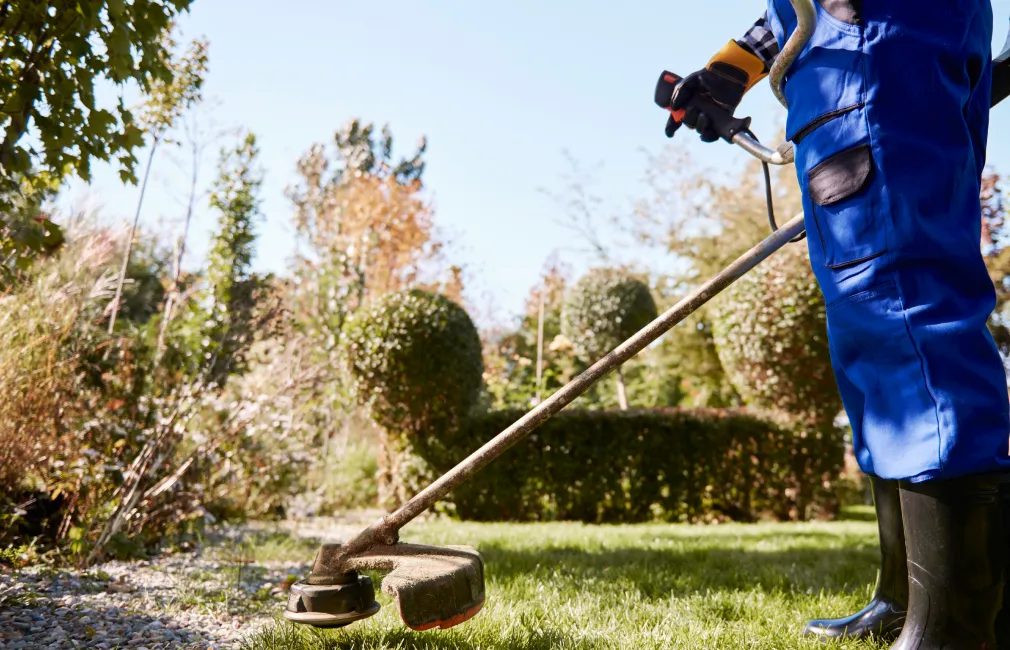
Mechanical Weeding
-
Chemical Weed Control
-
Mulching for Weed Suppression
-
Flame Weeding
-
Organic Weed Management
-
Pre-Emergent Weed Control
Our Weeding Process
Site Evaluation
Weed Identification
Targeted Removal
Soil Treatment
Final Inspection
Why Choose Lawrenceville Landscape Services
Lawrenceville Homeowners Trust Us
-
Expert Lawn Maintenance
-
Reliable Scheduling
-
Competitive Pricing
-
Professional Team
-
Satisfaction Guarantee
-
Personalized Service
-
Locally Owned and Operated
Lawrenceville's Red Clay Soils and Weed Pressure in Planting Beds
Lawrenceville sits within Georgia's Piedmont region, where soils are predominantly Cecil and Appling series — dense, acidic red clay with limited drainage capacity and a pH typically ranging from 5.0 to 6.0. These compacted clay soils create conditions that favor aggressive weed species such as nutsedge, crabgrass, and broadleaf plantain, which exploit surface moisture trapped above the clay layer. Shallow-rooted ornamental beds are particularly vulnerable during Lawrenceville's warm, humid summers, when weed germination accelerates between April and September. Property owners should note that:
- Hand-pulling is most effective when soils are moist but not saturated
- Nutsedge tubers can persist 12–18 inches deep in clay profiles
- Mulching beds to a depth of 2–3 inches suppresses germination without smothering plant crowns
- Soil pH testing through UGA Cooperative Extension can identify amendment needs that reduce weed competitiveness
Consulting the USDA Web Soil Survey provides parcel-level soil data to guide site-specific weed management decisions.
Optimal Weeding Timing for Lawrenceville's Long Warm-Season Growth Period
Lawrenceville falls within USDA Hardiness Zone 7b, with last frost dates typically occurring in mid-March and first fall frosts arriving in mid-November. This extended growing window — approximately 240 frost-free days — creates sustained weed pressure from early spring through late autumn. According to UGA Cooperative Extension guidance, the most effective weeding windows in the Piedmont region are:
- Early spring (March–April): Target winter annuals such as chickweed and henbit before seed set
- Late spring (May–June): Address summer annual germination, including crabgrass and spurge
- Late summer (August–September): Remove perennial weeds before fall root energy storage
- Fall (October–November): Clear beds of seed-bearing plants before winter dormancy
Weeding frequency should increase during periods of high rainfall, which Lawrenceville typically receives between April and August, averaging 50–55 inches annually per National Weather Service data. Allowing weeds to reach seed set significantly compounds future management burden.
Protecting Lawrenceville Stormwater Infrastructure During Weed Removal Operations
Weed removal activities near drainage swales, detention ponds, and stormwater inlets require careful management to prevent sediment and organic debris from entering Lawrenceville's stormwater conveyance system. The city's Lawrenceville Stormwater Management program administers drainage infrastructure maintenance and water quality protection consistent with federal Clean Water Act requirements and EPA NPDES Program standards. Property owners and contractors should observe the following practices:
- Do not dispose of pulled weeds or root masses directly into storm drains or drainage ditches
- Avoid disturbing soil within 25 feet of drainage features without erosion controls in place
- Bag or contain weed debris before transport to prevent windblown seed dispersal
- Refrain from weeding activities immediately before heavy rain events when soil disturbance risk is highest
The Georgia EPD Watershed Protection Branch provides additional guidance on protecting local water quality during land maintenance activities. Residents with properties adjacent to Lawrenceville's creek corridors, including areas near Brushy Fork Creek and its tributaries, should exercise particular caution.
Lawrenceville Stormwater Management
70 S. Clayton Street, Lawrenceville, GA 30046
Phone: (770) 963-2414
Official Website: Lawrenceville Stormwater Management
Lawrenceville Code Enforcement Standards for Overgrowth and Nuisance Vegetation
Lawrenceville's municipal code establishes property maintenance standards that include requirements for controlling overgrowth and nuisance vegetation on residential and commercial parcels. The Lawrenceville Code Enforcement division investigates complaints related to excessive weed growth, unmaintained lots, and vegetation that creates public safety or aesthetic concerns. Property owners should be aware of the following compliance considerations:
- Grass and weeds on maintained lots are generally required to be kept below 12 inches in height
- Vacant lots and unimproved parcels are subject to the same overgrowth standards as occupied properties
- Violations may result in written notice, followed by city-contracted abatement and cost recovery if not remediated within the specified timeframe
- Repeat violations can result in escalating fines; verify current fee schedules with the Code Enforcement office
Owners of rental properties and commercial parcels should establish routine weeding schedules to maintain continuous compliance. The Lawrenceville Community Development office can provide additional guidance on zoning-related vegetation standards for specific land use categories.
Lawrenceville Code Enforcement
70 S. Clayton Street, Lawrenceville, GA 30046
Phone: (770) 963-2414
Official Website: Lawrenceville Code Enforcement
Georgia Pesticide Licensing Requirements for Professional Herbicide Applications
When weeding services in Lawrenceville involve the application of herbicides — including pre-emergent or post-emergent chemical treatments — Georgia law requires that applicators hold appropriate licensure under the Georgia Pesticide Use and Application Act of 1976. The Georgia Department of Agriculture - Agricultural Pest Control division administers licensing and certification for commercial pesticide applicators operating in the state. Property owners hiring contractors for herbicide-assisted weeding should verify:
- The contractor holds a valid Georgia pesticide applicator license
- The license category is appropriate for ornamental and turf applications
- The applicator can provide a copy of the product label and Safety Data Sheet upon request
- Applications are made in accordance with label directions, which carry the force of law under federal and state statute
Residents may confirm applicator credentials through the Georgia Department of Agriculture - Licensing, Certification and Employee Registration portal. Unlicensed herbicide application by commercial contractors is a violation of state law and may result in enforcement action by the Georgia Department of Agriculture.
What Neighborhoods Do We Serve Throughout Lawrenceville, GA?
- Downtown Lawrenceville Historic District: Older residential lots with established ornamental beds, mature tree canopy, and compacted Cecil clay soils that retain moisture and support persistent perennial weed populations requiring consistent seasonal management.
- Sugarloaf Country Club Area: Large-lot residential properties with extensive landscaped beds and turf areas where nutsedge, wild violet, and broadleaf weeds are common in irrigated zones during summer months.
- Alcovy Road Corridor: Mixed residential and transitional-use parcels with variable drainage conditions; low-lying areas near drainage features experience elevated weed pressure from moisture-tolerant species including sedges and smartweed.
- Lawrenceville Highway Subdivisions: Established suburban neighborhoods with moderate lot sizes, aging landscape beds, and significant crabgrass and spurge pressure along bed edges and hardscape transitions.
- Hamilton Mill Adjacent Communities: Newer subdivisions with fill soils and HOA-maintained common areas where pre-emergent weed control timing is critical due to disturbed soil profiles and rapid warm-season weed establishment.
- Brushy Fork Creek Corridor Neighborhoods: Properties adjacent to creek buffers require careful weed management near riparian edges, with particular attention to invasive species such as Japanese honeysuckle and privet documented by UGA Extension - Invasive Species resources.