
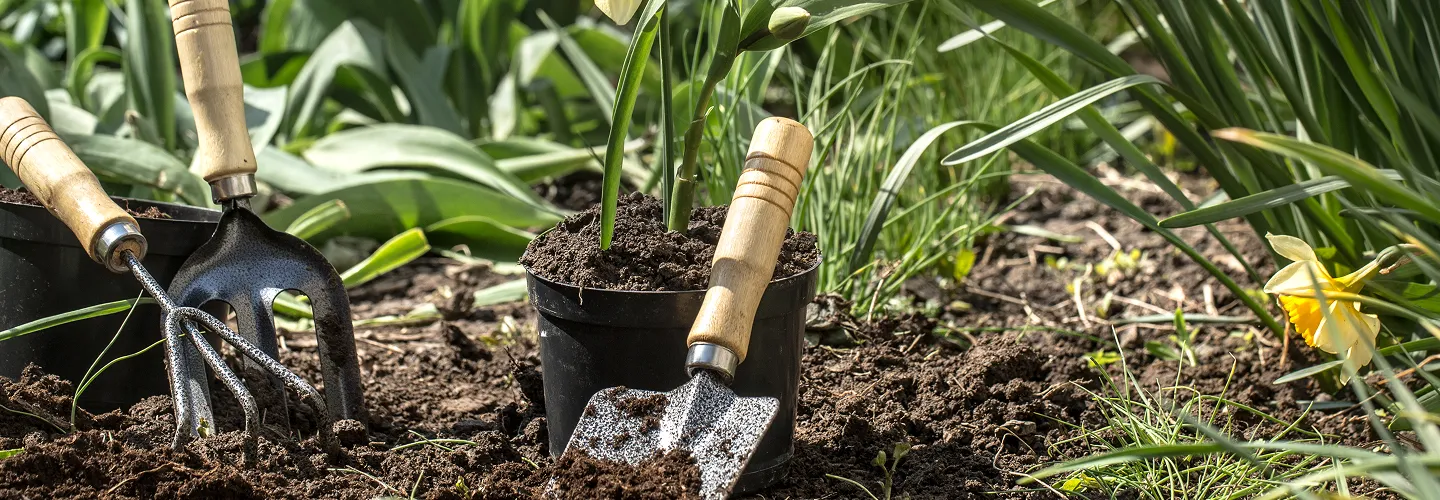
Lawrenceville Lawn Installation Services
Choose our expert lawn installation for a seamless, hassle-free transformation—enjoy a vibrant, healthy yard that boosts your home's curb appeal and value, all backed by our commitment to quality and customer satisfaction.
Get a Free QuoteOur Lawrenceville Landscaping & Yard Care Services
When to Schedule Lawn Installation in Lawrenceville, Georgia – Seasonal Guide
Choosing the right time for lawn installation in Lawrenceville, Georgia, is essential for achieving a lush, healthy yard that thrives year-round. The region’s humid subtropical climate, with its warm summers and mild winters, means that both cool-season and warm-season grasses can be established successfully—if timed correctly. Typically, the best periods for installation are early spring and early fall, when soil temperatures are optimal for root development and rainfall is more consistent.
Local factors such as the proximity to the Yellow River, the shade provided by mature oaks in neighborhoods like River Oak Village, and the clay-heavy soils common in Lawrenceville all play a role in determining the best installation window. Homeowners should also consider the last frost date, which usually falls in late March, and the potential for summer droughts. For more information on local environmental guidelines, visit the Sudbury municipal site.
Local Factors to Consider for Lawn Installation in Lawrenceville
- Tree density and shade coverage, especially in established neighborhoods
- Soil composition, with many areas featuring dense clay soils
- Average precipitation and risk of summer drought
- Terrain and drainage patterns, particularly near creeks or low-lying areas
- Municipal watering restrictions and seasonal guidelines
Benefits of Lawn Installation in Lawrenceville
Professional Lawn Design
Fast and Reliable Installation
Premium Quality Sod and Seed
Customized Landscaping Solutions
Expert Local Knowledge
Comprehensive Maintenance Support
Lawrenceville Lawn Installation Types

Sod Installation
-
Hydroseeding
-
Artificial Turf Installation
-
Seed Lawn Establishment
-
Zoysia Grass Installation
-
Bermuda Grass Installation
-
Fescue Grass Installation
Our Lawn Installation Process
Site Evaluation
Soil Preparation
Lawn Installation
Watering and Initial Care
Why Choose Lawrenceville Landscape Services
Lawrenceville Homeowners Trust Us
-
Expert Lawn Maintenance
-
Reliable Scheduling
-
Competitive Pricing
-
Professional Team
-
Satisfaction Guarantee
-
Personalized Service
-
Locally Owned and Operated
Lawrenceville's Piedmont Red Clay Soils and Sod Installation Preparation
Lawrenceville sits within Georgia's Piedmont region, where the predominant soils are Cecil and Appling series — dense, red clay-based Ultisols with naturally low pH levels typically ranging from 5.0 to 6.0. These soils compact readily under foot and equipment traffic, significantly limiting water infiltration and root penetration during lawn installation. Before sod or seed is placed, property owners should conduct a soil test through UGA Cooperative Extension to determine lime and amendment requirements. Corrective steps commonly include:
- Tilling to a minimum depth of 4–6 inches to break compaction layers
- Incorporating lime to raise pH toward the 6.0–6.5 range preferred by warm-season grasses
- Adding organic matter or compost to improve drainage and aeration
- Grading to establish positive drainage away from structures
The USDA Web Soil Survey provides parcel-level soil data useful for planning installation depth and amendment volumes. Skipping soil preparation in Lawrenceville's clay-heavy lots frequently results in poor turf establishment and standing water issues.
Optimal Turf Selection and Installation Timing for Lawrenceville's Climate
Lawrenceville falls within USDA Plant Hardiness Zone 7b, with warm, humid summers and mild winters that support warm-season turfgrasses as the primary installation choice. Bermudagrass and Zoysiagrass are the most commonly installed species in Gwinnett County's residential and commercial landscapes, with Centipedegrass used on lower-maintenance sites. Tall Fescue is the preferred cool-season option for shaded lots, though it requires overseeding annually in Lawrenceville's climate.
Recommended installation windows based on National Weather Service climate data for the Atlanta metro area:
- Bermudagrass sod: Late April through August, when soil temperatures consistently exceed 65°F
- Zoysiagrass sod: May through July for optimal root establishment
- Tall Fescue seed: Mid-September through mid-November, when daytime temperatures drop below 75°F
- Centipedegrass: Late spring through early summer
Installations performed outside these windows face significantly higher failure rates due to heat stress, frost damage, or insufficient root development before dormancy.
Stormwater Compliance and Erosion Control During Lawn Installation in Lawrenceville
Disturbing soil during lawn installation — even on residential lots — can generate sediment-laden runoff that enters Lawrenceville's storm drainage network and ultimately reaches local waterways including Brushy Fork Creek and its tributaries. The Lawrenceville Stormwater Management program administers drainage infrastructure and water quality protection across the city. Property owners and contractors undertaking lawn installation projects should implement erosion and sediment controls throughout the installation period, including:
- Silt fencing or sediment barriers along downslope property edges
- Temporary seeding or straw mulch on bare soil areas not immediately sodded
- Avoiding soil disturbance within 25 feet of drainage channels or stormwater inlets
- Completing final grading and turf placement before significant rain events
The Georgia EPD Watershed Protection Branch establishes water quality standards applicable to construction-related runoff under the Clean Water Act. Larger disturbance areas may trigger NPDES permit requirements; confirm applicable thresholds with the Lawrenceville Engineering Department prior to beginning work.
Lawrenceville Stormwater Management
70 S. Clayton Street, Lawrenceville, GA 30046
Phone: (770) 963-2414
Official Website: Lawrenceville Stormwater Management
Zoning, Grading, and Development Review for Lawn Installation Projects in Lawrenceville
While routine residential lawn installation typically does not require a permit, projects involving significant regrading, fill placement, or drainage alteration may require review through the Lawrenceville Community Development department or the Lawrenceville Engineering Department. Property owners should be aware of the following considerations before beginning work:
- Grading that redirects stormwater onto adjacent properties may violate local drainage standards
- Fill placement within mapped floodplain areas requires separate review and may be restricted
- Zoning setbacks govern how close landscaping improvements may be placed to property lines and rights-of-way
- Utility easements crossing residential lots must remain accessible and unobstructed
The Lawrenceville Zoning Administration can clarify whether a proposed installation scope triggers any land disturbance or grading permit requirements. The Lawrenceville Code Enforcement division monitors property maintenance standards, including frontage and right-of-way conditions that may be affected by installation work.
Lawrenceville Community Development
70 S. Clayton Street, Lawrenceville, GA 30046
Phone: (770) 963-2414
Official Website: Lawrenceville Community Development
Georgia Fertilizer Standards Applicable to New Lawn Establishment in Lawrenceville
Newly installed lawns in Lawrenceville typically require starter fertilizer applications to support root development in the city's acidic, clay-heavy soils. These applications are governed in part by the Georgia Fertilizer Act of 1997, which establishes labeling, registration, and application standards for fertilizer products sold and used in Georgia. The Georgia Department of Agriculture - Fertilizer program oversees compliance at the state level. Practical guidance for new lawn fertilization in Lawrenceville includes:
- Apply starter fertilizer with higher phosphorus content (e.g., 18-24-12 formulation) at sod or seed placement
- Avoid applying fertilizer within 10 feet of storm drains, drainage ditches, or impervious surfaces
- Do not apply fertilizer to bare, unestablished soil immediately before heavy rain events
- Follow soil test recommendations from UGA Extension for precise nutrient rates
Excess fertilizer runoff entering Lawrenceville's stormwater system contributes to nutrient loading in downstream waterways, which is regulated under Georgia Water Quality Standards administered by Georgia EPD.
What Neighborhoods Do We Serve Throughout Lawrenceville, GA?
- Downtown Lawrenceville: Older residential lots near the historic square feature compacted urban soils and mature tree canopy that create shade challenges for warm-season turf installation; Tall Fescue is often the more appropriate species selection in these settings.
- Sugarloaf Country Club area: Larger estate lots with established landscaping and HOA maintenance standards; installation projects in this corridor often involve precise grading to match existing turf lines and drainage patterns.
- Alcovy Road corridor: Newer subdivisions along this growth corridor frequently feature disturbed fill soils with variable compaction, requiring thorough soil preparation before sod placement.
- Brushy Fork Creek neighborhoods: Properties adjacent to this drainage corridor require careful erosion control during installation and should maintain vegetated buffers along the creek bank.
- Hamilton Mill area: Established subdivision lots with moderate slopes and red clay subsoil; drainage grading is a common prerequisite before turf installation to prevent ponding.
- Lawrenceville Highway (US-29) residential areas: Mixed-age residential properties with varying lot conditions; right-of-way frontage maintenance and visibility standards apply to turf installation near roadways.
- Collins Hill corridor: Rapidly developing area with newer construction lots where fill soils and compaction from construction equipment require amendment and aeration before successful lawn establishment.