
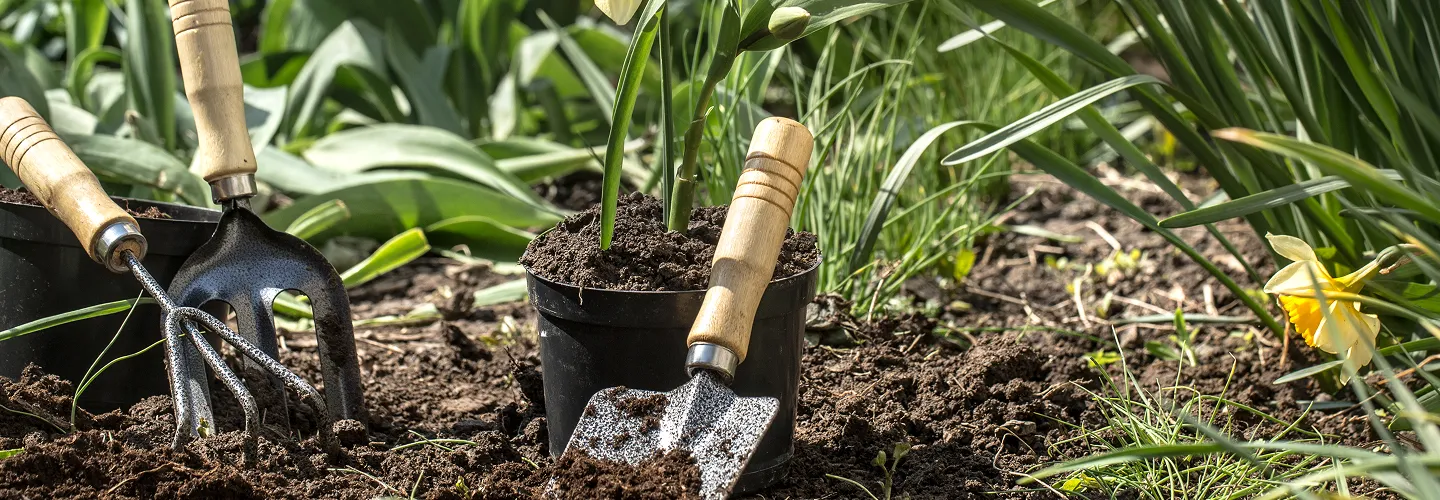
Lawrenceville Lawn Grubs Control Services
Choose our Lawn Grubs Control for proven, eco-friendly treatments that safeguard your grass, restore your yard’s health, and keep your outdoor space beautiful all season long.
Get a Free QuoteOur Lawrenceville Landscaping & Yard Care Services
When to Schedule Lawn Grubs Control in Lawrenceville, Georgia – Seasonal Guide
In Lawrenceville, Georgia, the best time to schedule lawn grubs control is typically late spring through early summer, when grubs are most active just below the soil surface. The region’s warm, humid climate—especially in neighborhoods near Rhodes Jordan Park or along Sugarloaf Parkway—creates ideal conditions for grub development. Monitoring local frost dates is crucial, as treatments are most effective after the last frost but before grubs mature and cause significant turf damage.
Local environmental factors such as periods of drought, high humidity, and varying shade coverage from mature trees in areas like the Historic Downtown District can all influence the timing and effectiveness of grub control. Soil type also plays a role; for example, the clay-heavy soils common in Lawrenceville retain moisture, which can encourage grub activity. For more information on local environmental guidelines, visit the Sudbury municipal resource.
Local Factors to Consider for Lawn Grubs Control in Lawrenceville
- Tree density and shade coverage, especially in established neighborhoods
- Soil composition (clay vs. sandy soils)
- Seasonal precipitation and drought risk
- Proximity to water features or parks
- Municipal restrictions or local ordinances on pesticide use
- Terrain and drainage patterns
Benefits of Lawn Grubs Control in Lawrenceville
Effective Grub Elimination
Healthier, Greener Lawns
Prevention of Turf Damage
Eco-Friendly Treatment Options
Experienced Landscaping Professionals
Customized Lawn Care Solutions
Lawrenceville Lawn Grubs Control Types

Preventative Grub Treatments
-
Curative Grub Control Applications
-
Organic Grub Management
-
Biological Grub Control Solutions
-
Seasonal Lawn Monitoring
-
Soil Health Improvement
-
Integrated Pest Management for Grubs
Our Lawn Grubs Control Process
Inspection and Identification
Customized Treatment Plan
Targeted Application
Monitoring and Follow-Up
Why Choose Lawrenceville Landscape Services
Lawrenceville Homeowners Trust Us
-
Expert Lawn Maintenance
-
Reliable Scheduling
-
Competitive Pricing
-
Professional Team
-
Satisfaction Guarantee
-
Personalized Service
-
Locally Owned and Operated
Identifying White Grub Pressure in Lawrenceville's Piedmont Red Clay Turf
Lawrenceville sits within Georgia's Piedmont region, where soils are predominantly Cecil and Appling series — dense, acidic red clay loams with limited drainage capacity. These conditions directly influence white grub behavior. Species such as Japanese beetle (Popillia japonica), masked chafers (Cyclocephala spp.), and May/June beetles (Phyllophaga spp.) are the most common grub-forming pests in Gwinnett County lawns. Grubs feed on turfgrass roots at depths of 1–4 inches, and compacted clay soils can mask early damage by slowing visible turf decline. Property owners should monitor for:
- Irregular brown patches that do not respond to irrigation
- Spongy or easily lifted turf sections
- Increased bird, mole, or armadillo activity indicating subsurface feeding
- Visible larvae (C-shaped, cream-colored) when soil is turned 2–3 inches deep
UGA Cooperative Extension provides identification guides and threshold recommendations for Georgia Piedmont turf conditions. Lawrenceville falls within USDA Hardiness Zone 7b, supporting warm-season turf species such as bermudagrass and zoysiagrass that are particularly vulnerable to grub root damage during summer establishment periods.
Optimal Grub Treatment Timing for Lawrenceville's Warm-Season Turf Calendar
Timing is the most critical factor in effective grub control in Lawrenceville. Grub life cycles in Gwinnett County's climate follow a predictable seasonal pattern tied to soil temperature and adult beetle flight periods. According to UGA Cooperative Extension guidance for Georgia Piedmont lawns:
- Preventive treatments: Apply between late May and early July, targeting newly hatched first-instar larvae before they reach damaging depths; soil temperatures should be consistently above 60°F
- Curative treatments: Apply between late July and mid-September when second-instar larvae are still near the surface (1–3 inches); efficacy declines significantly after mid-October as grubs descend below 4 inches
- Spring scouting: March through April, when overwintering grubs return to the root zone, is an appropriate time to assess prior-year damage and plan treatment strategy
Lawrenceville's warm, humid summers — with average July highs near 90°F — accelerate larval development, compressing the effective treatment window. Irrigation immediately following granular or liquid insecticide application is essential to move active ingredients into the root zone, particularly in clay-heavy soils where surface runoff risk is elevated.
Georgia Pesticide Licensing Rules for Professional Grub Control in Lawrenceville
Grub control treatments in Lawrenceville typically involve restricted-use or general-use pesticides, including products containing chlorantraniliprole, imidacloprid, or trichlorfon. Under the Georgia Pesticide Use and Application Act of 1976, any commercial pesticide applicator operating in Georgia must hold a valid license issued by the Georgia Department of Agriculture. Property owners applying general-use pesticides to their own property are not required to hold a license, but must follow all label directions, which are legally binding under federal law. Key compliance requirements include:
- Commercial applicators must be licensed under the Georgia Department of Agriculture – Licensing, Certification and Employee Registration program
- Restricted-use pesticide applications require a certified applicator or a registered technician working under direct supervision
- All pesticide labels must be followed precisely regarding application rates, re-entry intervals, and environmental precautions
- Records of commercial pesticide applications must be maintained per Georgia Department of Agriculture requirements
Georgia Department of Agriculture – Agricultural Pest Control
19 Martin Luther King Jr. Dr SW, Atlanta, GA 30334
Phone: (404) 656-4958
Official Website: Georgia Department of Agriculture – Agricultural Pest Control
Protecting Lawrenceville Stormwater Infrastructure During Grub Control Applications
Lawrenceville's stormwater management system includes drainage infrastructure serving residential neighborhoods, commercial corridors, and areas adjacent to local waterways including Brushy Fork Creek and its tributaries within Gwinnett County's watershed network. Pesticide applications for grub control carry runoff risk, particularly on compacted clay soils with limited infiltration capacity. The Lawrenceville Stormwater Management department oversees drainage infrastructure maintenance and water quality protection within city limits. Property owners and applicators should observe the following precautions:
- Maintain a minimum 10-foot buffer from storm drain inlets, drainage ditches, and detention pond edges during any pesticide application
- Do not apply grub control products immediately before forecasted rainfall events exceeding 0.5 inches
- Water in granular products with approximately 0.5 inches of irrigation to activate the product without generating surface runoff
- Avoid applications on slopes greater than 15% without erosion control measures in place
- Review Georgia EPD Watershed Protection Branch guidance for pesticide use near sensitive water features
The Clean Water Act and Georgia's water quality standards prohibit discharge of pesticides into waters of the state. Applicators operating near creek corridors or detention features in Lawrenceville should verify compliance with applicable buffer and setback requirements.
Lawrenceville Stormwater Management
70 S Clayton St, Lawrenceville, GA 30046
Phone: (770) 963-2414
Official Website: Lawrenceville Stormwater Management
Integrated Pest Management for Grub Control Near Lawrenceville Parks and Green Corridors
Lawrenceville maintains public parks and recreational green spaces, including areas managed under the city's Parks Department and supported by the city's Tree City USA urban forestry designation. Properties adjacent to these corridors, wooded buffers, or park boundaries face elevated grub pressure due to adult beetle populations emerging from undisturbed soil and leaf litter in wooded areas. An Integrated Pest Management (IPM) approach is recommended for these locations:
- Biological controls: Beneficial nematodes (Heterorhabditis bacteriophora) are effective against young grubs and carry no chemical runoff risk; apply when soil temperatures are between 60–85°F and soil moisture is adequate
- Threshold-based treatment: UGA Extension recommends treatment when scouting reveals 8–10 grubs per square foot in bermudagrass or zoysiagrass; lower thresholds may apply in high-visibility or high-use turf areas
- Reduced-risk chemistry: Chlorantraniliprole (e.g., Acelepryn) is classified as a reduced-risk pesticide by the EPA and is appropriate for use near sensitive green corridors
- Cultural practices: Maintaining proper mowing height (3–4 inches for tall fescue, 1–2 inches for bermudagrass) and avoiding overwatering reduces adult beetle egg-laying attractiveness
EPA Region 4, which covers Georgia, provides guidance on pesticide use near environmentally sensitive areas and urban green infrastructure.
What Neighborhoods Do We Serve Throughout Lawrenceville, GA?
Grub control needs vary across Lawrenceville's diverse residential landscape, reflecting differences in soil drainage, turf type, lot age, and proximity to wooded or water-adjacent areas. The following neighborhoods and districts represent areas where grub pressure and treatment considerations are particularly relevant:
- Downtown Lawrenceville Historic District: Older established lots with mature tree canopy and compacted urban soils; grub damage may be masked by dense shade and reduced turf vigor.
- Lawrenceville Estates: Established subdivision with bermudagrass and zoysiagrass lawns on red clay fill soils; moderate-to-high grub pressure reported in summer months.
- Alcovy Crossing: Located near creek drainage corridors; stormwater buffer compliance is essential during any pesticide application in this area.
- Huntcrest: Newer subdivision with mixed turf establishment on disturbed fill soils; young lawns are particularly vulnerable to root damage from first-year grub populations.
- Sugarloaf area subdivisions: High-density residential development with irrigated bermudagrass lawns; irrigation patterns can attract adult beetle egg-laying, increasing seasonal grub pressure.
- Brushy Fork Road corridor neighborhoods: Properties near wooded edges and drainage features require careful IPM planning and buffer management during grub treatment cycles.
- Collins Hill area: Mix of established and newer residential lots with varying soil profiles; USDA Web Soil Survey data indicates Cecil-Appling clay loam series predominating, affecting product infiltration and timing.